
ReMA 2026 Convention: Global Trends in Recycling
This is the first post on our blog, a new space to share, in greater depth, the movements we are following and how we see the future of recycling. We are launching it by talking about an event that strongly reflects this purpose.
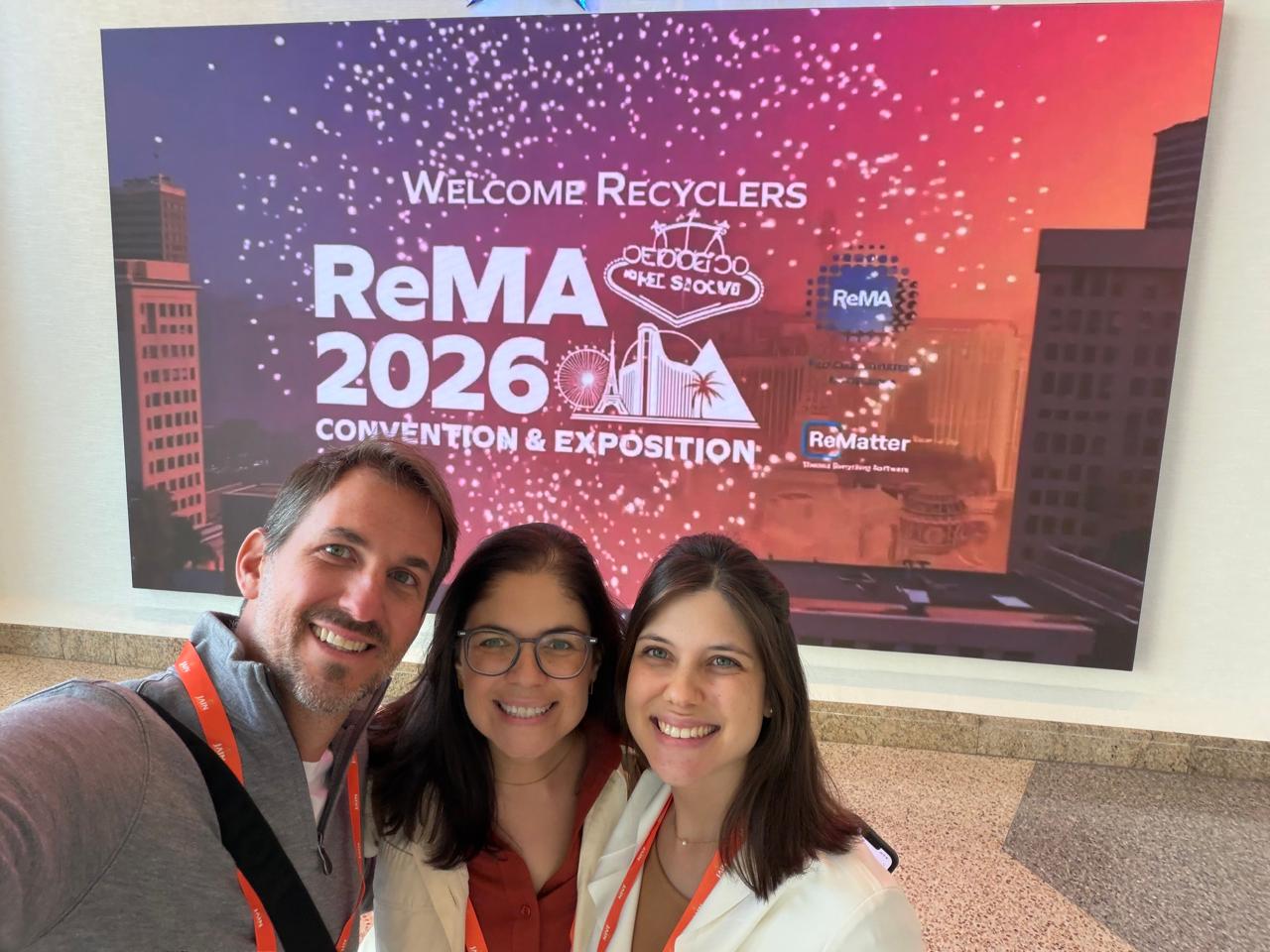
In the second week of April, we attended the ReMA (Recycled Materials Association) event, one of the leading global gatherings in the recycling industry. More than a trade show, the event brings together industry leaders, showcases technological advancements, and promotes meaningful discussions about the future of the market.
Being present in this environment is an opportunity to connect with the global industry and also to reflect on our role within it.
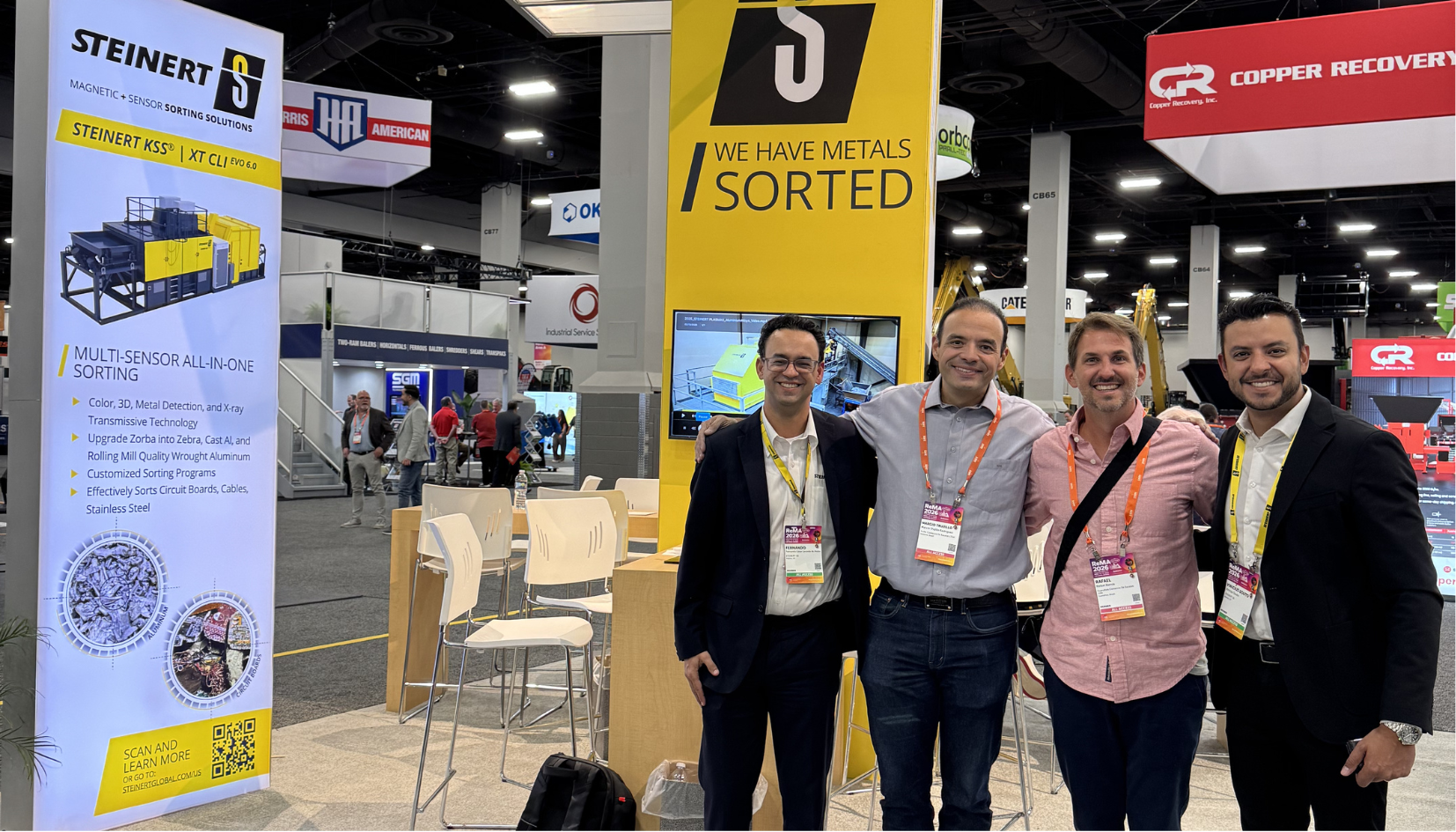
Below are some insights from the event:
An Industry in Transformation
The conference delivered a clear message: we are in a moment of change, and it requires an active stance from leadership. It is not just about following trends, but about driving transformation.
We left with the conviction that we are aligned with this movement, continuously seeking innovation, evolving our processes, and contributing to the development of the market in Brazil.
Global Challenges, Local Realities
Despite regional differences, the challenges discussed are very similar to those we face in Brazil: global material flows, tariffs, regulatory evolution, and the need for greater predictability.
In some areas, such as automotive recycling, we observed that Brazil is making significant progress, reinforcing the potential of our market when there is structure and direction.
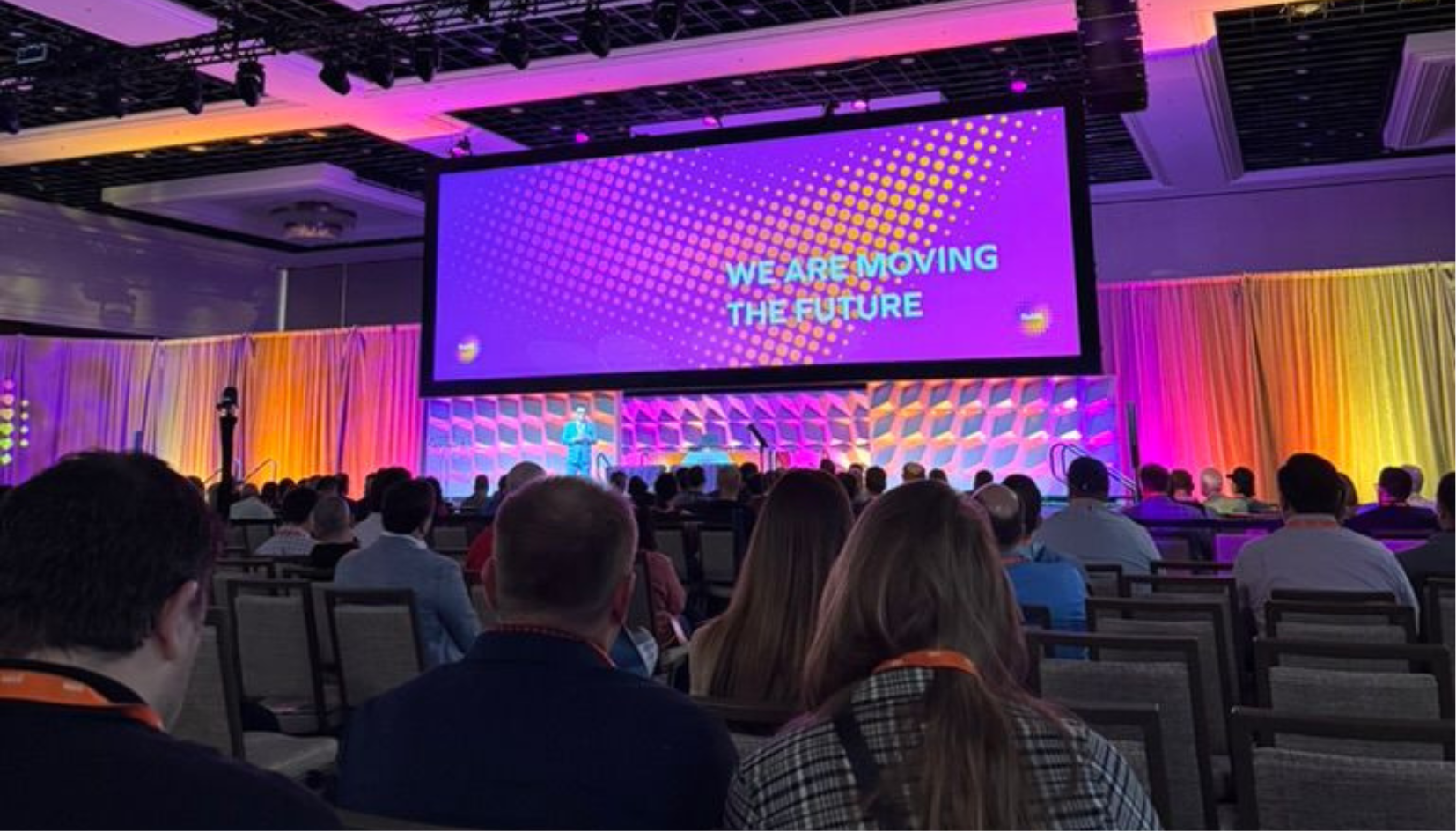
From Volume to Quality: A New Direction for Recycling
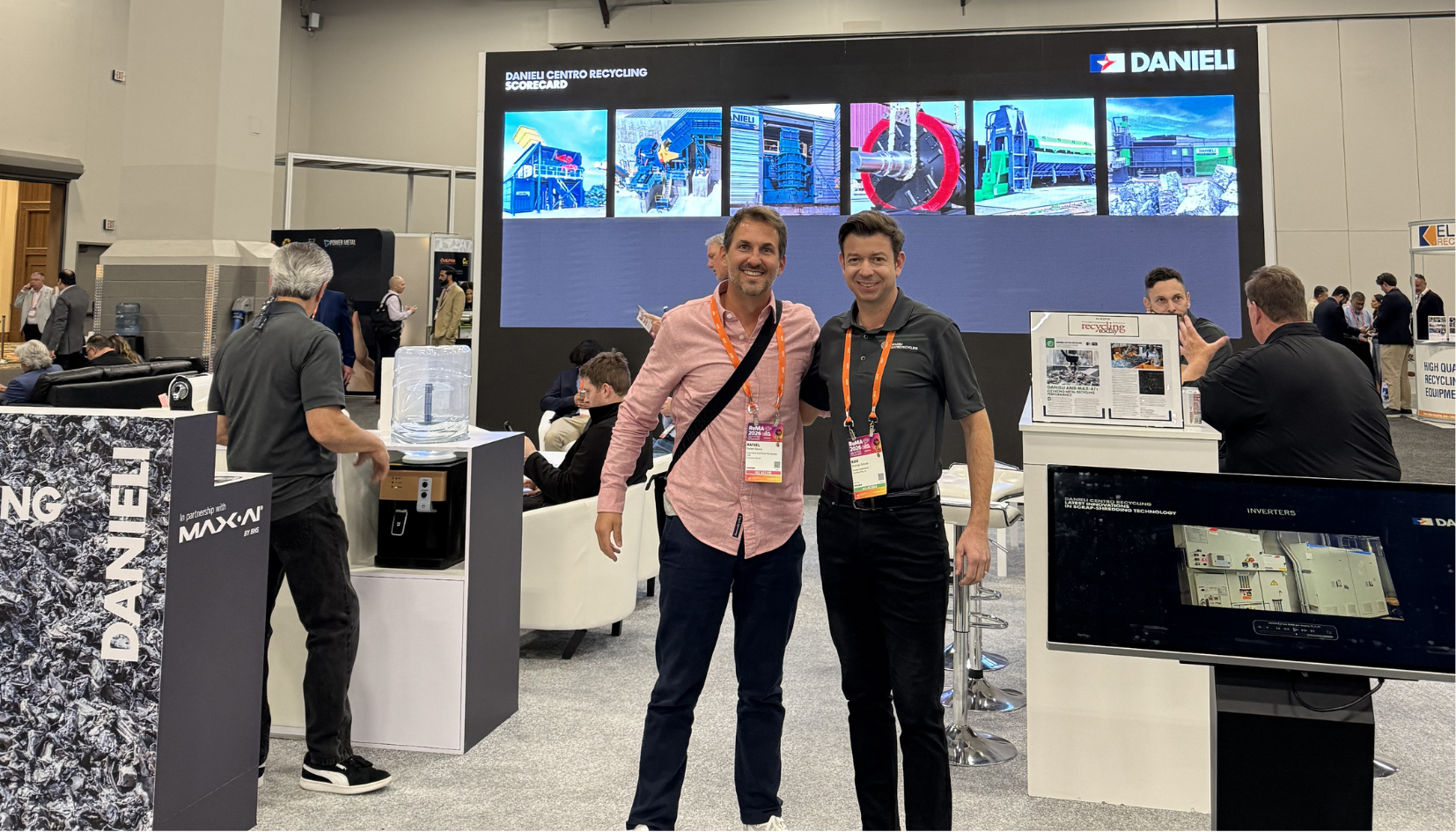
There is a shift in the industry’s logic. While the focus used to be primarily on volume, the discussion is now moving toward quality, material value, and margins.
More efficient sorting, driven by technology and artificial intelligence applied to equipment, will be key to increasing efficiency, generating more value, and improving the quality of delivered materials. This movement is already underway and is expected to gain even more momentum in the coming years.
Culture, Safety, and Leadership
Another recurring theme throughout the speakers’ presentations was the importance of organizational culture.
Companies that successfully establish strong safety behaviors and team engagement tend to achieve better and more sustainable results. In this context, leadership plays a central role: it is responsible for translating strategy into everyday practice.
An Industry Driven by Relationships
Recycling is, above all, a relationship driven business.
Connections within our value chain, often built over generations, remain one of the industry’s key assets, especially in an environment with a strong presence of family owned businesses.
More than ever, reputation matters. The way we operate, the relationships we build, and the trust we generate are essential to business continuity.
The Importance of Communication with Our Communities
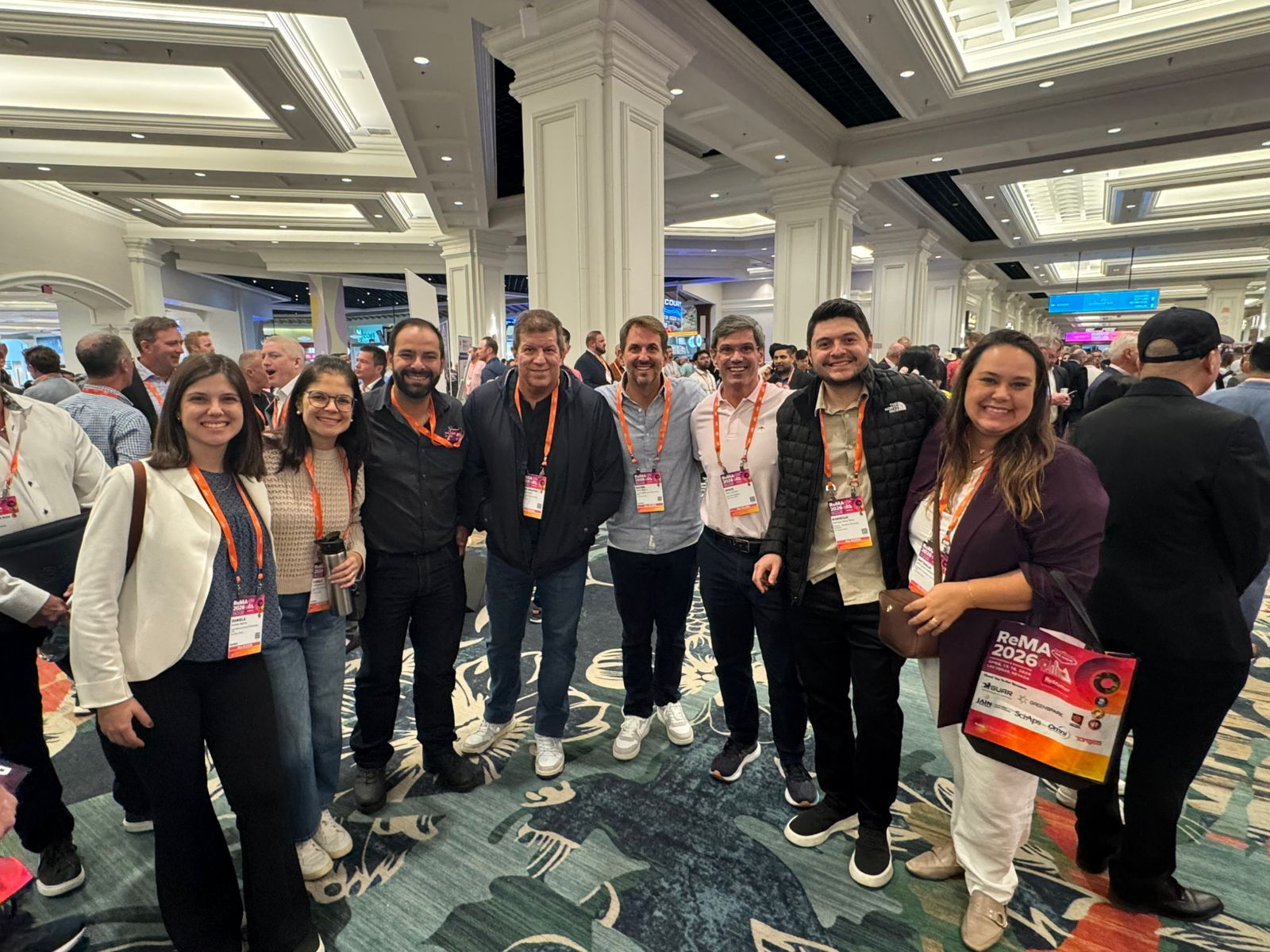
The relationship with communities, neighbors, and public authorities is essential for the recognition and understanding of our activities.
There is both an opportunity and a responsibility to better communicate the positive impact of recycling. Strengthening these connections with the audiences around us is fundamental to operating in our local environments.
Participating in the ReMA Conference reinforces our vision for the future.
We remain attentive to global movements, connected to the industry, and committed to continuous improvement, contributing to a recycling sector that is increasingly efficient, valued, and relevant, while delivering high quality raw materials to our customers.
This is just the beginning of this space. We will continue to share, here on our blog, what we are seeing, learning, and building.